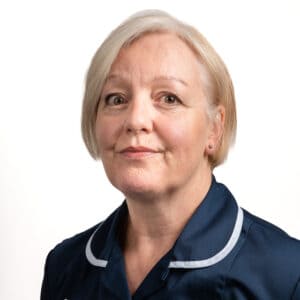
Treatment begins with a consultation with your experienced specialist Consultant Oculoplastic Surgeon Professor Jeeva, who will assess your condition and answer all of your questions about surgery.
Lower Blepharoplasty
Correct eye bags, fine lines and dark circles with lower eyelid surgery from £4997. Carried out by Consultant Oculoplastic Surgeon Professor Irfan Jeeva at our hospital-grade clinics.
Lower Blepharoplasty At A Glance

Time
60 minutes

Price
from £4997 and £225 consultation

Treatment
Surgery with an Oculoplastic Consultant

Recovery
Up to 10 days

Do
Use provided drops, expect bruising & swelling

Don't
Drive (24hrs), cut / pull stitches
Lower Blepharoplasty
Lower blepharoplasty is a specialist eyelid surgery procedure designed to improve under-eye bags, lower eyelid puffiness and loose skin beneath the eyes.
At Skin Surgery Clinic, lower eyelid surgery is carried out by Consultant Oculoplastic Surgeon Prof Irfan Jeeva for patients who want a fresher, less tired appearance while keeping results natural and in balance with the rest of the face.
The aim of lower blepharoplasty is not to change the character of your eyes. Instead, it is to reduce prominent bags and improve contour in the lower lid area by carefully removing or repositioning fat, and where appropriate addressing excess skin. Because the lower eyelids are delicate and play an important role in protecting the surface of the eye, treatment needs careful planning and realistic expectations from the outset.

Prof Jeeva is an internationally recognised expert in lower eyelid surgery and other types of surgery around the eye area
Lower Blepharoplasty Treatment prices
All Lower Blepharoplasty procedures are carried out by Consultant Oculoplastic Surgeon Prof Irfan Jeeva, who is a specialist in periocular surgery.
| Consultation with Prof Jeeva | £225 |
| Lower Blepharoplasty Treatment (both eyes) | from £4997 |
Lower eyelid surgery varies in complexity based on your own eyes and your goals for treatment. Prof Jeeva tailors his approach for you, based on your discussions and his examination of your eyes. Exact pricing will be discussed during your consultation.
Considering this procedure?
Who carries out this procedure
Lower blepharoplasty at Skin Surgery Clinic is carried out by Prof Irfan Jeeva, whose practice is dedicated to eyelid and periocular surgery. This is particularly important for lower eyelid procedures, where appearance, eyelid function and eye comfort all need to be considered together.

What is Lower Blepharoplasty?
As we age, the tissues beneath the eyes can weaken and stretch. Fat may become more prominent, the lid-cheek junction can look heavier, and the under-eye area may start to create a tired or puffy appearance even when you feel well rested. For some people this is largely genetic and can appear relatively early.
Lower Blepharoplasty is designed to address these structural changes in the lower eyelids.
It is most commonly suitable for people troubled by eye bags, fullness or loose lower lid skin. It may also soften some fine wrinkling in the area.
However, not every concern under the eyes is best treated with surgery. Dark circles caused mainly by pigmentation, hollowness, skin quality or facial volume loss may not be fully corrected by lower blepharoplasty alone. A careful assessment is therefore essential.
What are my treatment options for Lower Eyelid Surgery?
Lower eyelid rejuvenation is not a one-size-fits-all treatment. During your consultation, Prof Jeeva will assess the skin, fat, lower lid support, eye surface health and overall facial balance before advising on the most appropriate approach.
For suitable patients, lower blepharoplasty may involve:
- removal or repositioning of prominent lower lid fat
- tightening and redraping of the lower eyelid tissues
- careful removal of excess skin where needed
- an incision either just below the lashes or on the inside of the eyelid, depending on the anatomy and surgical plan.
The exact technique matters. Lower eyelid surgery should improve the area without making the eyes look hollow, pulled or unnatural. Excessive removal of tissue can create other complications too. For that reason, this is a procedure where your surgeon's expertise and judgement is especially important.
What is the process for Lower Blepharoplasty?
The process begins with a consultation. Lower eyelid surgery needs detailed assessment because not all under-eye concerns are surgical, and the lower eyelid area needs careful examination before treatment is planned. This includes the quality of the skin, the pattern of puffiness, the support of the eyelid, any dryness symptoms and the position of the lower lid in relation to the eye.
Here is the process from enquiry to procedure:
- book a consultation with Prof Jeeva
- in consultation, you will have a full examination and a discussion of your goals and questions
- receive a clear opinion on whether lower blepharoplasty is suitable, and whether it is likely to improve the specific features you would like to address
- if you decide to proceed, arrange a surgery date and receive full pre-operative instructions
- attend your procedure and follow the structured aftercare plan, including one or more review appointments and monitoring during the first few days.
The Lower Eyelid Surgery Consultation
At your consultation, Prof Jeeva will assess your lower eyelids in detail and talk through the changes you have noticed, what surgery can improve, and where its limits are. This is an important part of the process, because the best lower blepharoplasty results come from matching the right procedure to the right anatomy.
Your consultation may include discussion of:
- under-eye bags and puffiness
- excess lower lid skin
- fine wrinkling
- dark circles and whether these are structural or non-surgical in origin
- lower lid tone and support
- symptoms of dry eye or irritation
- recovery time and whether it fits your work and social commitments.
This is also the time to discuss your expectations openly. Lower blepharoplasty can make a significant difference in the right patient, but it does not stop the ageing process and it should not be approached as a way to create a completely different eye shape.
The Lower Blepharoplasty Procedure
Lower blepharoplasty is usually carried out as a day case procedure. The surgery is usually performed under local anaesthetic.
Depending on your anatomy and treatment plan, the incision may be made just below the lower lashes or on the inside of the eyelid to minimise visible scarring. Through this, excess fat can be removed or repositioned, underlying tissues can be supported, and excess skin can be treated where appropriate.
The goal is often a smoother, less heavy lower lid contour while preserving normal eyelid function and a natural appearance. Fine sutures may be used, depending on the technique.
Recovery after Lower Blepharoplasty
Recovery from lower blepharoplasty is often more demanding than recovery from upper eyelid surgery, and patients should be prepared for that.
Swelling can be significant in the first few days and bruising may track into the cheeks. The lower lids can feel tight and may appear slightly pulled down early on, but this usually improves as swelling settles.
Final healing is gradual, with the eyelids continuing to soften and settle over several months.
A general recovery timeline
Days 1 to 3: swelling and bruising are usually at their most noticeable
Days 4 to 7: bruising often starts to fade, though swelling can still be prominent
Weeks 2 to 4: most visible bruising resolves and lid position continues to settle
Months 1 to 3: scars soften and residual swelling improves
Final result: usually judged over 3 to 6 months rather than days or weeks.
In the initial period after surgery, patients are usually advised to:
- rest with the head elevated
- use cooling as instructed
- use lubricating eye drops regularly, and ointment or gel at night if advised
- avoid rubbing the eyes
- avoid heavy lifting, bending and strenuous exercise for around 3 weeks
- avoid swimming and submerging the face in water for around 3 weeks
- attend follow-up and keep in touch if there are concerns.
Lower lid surgery may initially cause more dryness of the eyes than upper eyelid surgery, so the surface of the eye needs particular care during recovery.
Risks and complications of Lower Blepharoplasty
All surgery carries risk, and lower eyelid surgery deserves careful consent because the eyelids are delicate, functional structures as well as a cosmetic focus.
Potential risks include:
- bleeding
- infection
- dry eye symptoms
- temporary blurry vision
- scarring, though scars are usually very fine and well hidden
Because of the delicate structures around the eye, we only offer this procedure with Prof Jeeva, who is a highly experienced Opthalmic and Oculoplastic Surgeon with specialist qualifications and expertise in treatments in and around the eyes.
How can I learn more about treatment and recovery?
The best way to learn whether lower blepharoplasty is right for you is through a consultation with Prof Jeeva.
You will be able to discuss your concerns in detail, understand the likely recovery in realistic terms, and get a clear view on whether surgery is likely to improve the features that are bothering you.
Lower eyelid surgery can achieve excellent, natural-looking results in the right patient, but it should be approached with good information and careful planning.
At Skin Surgery Clinic, that means specialist assessment, honest advice and close aftercare throughout recovery.
Lower Blepharoplasty Before and After
Lower Blepharoplasty and Upper Blepharoplasty by Prof Irfan Jeeva
BEFORE
*AFTER
Lower Blepharoplasty and Upper Blepharoplasty by Prof Irfan Jeeva

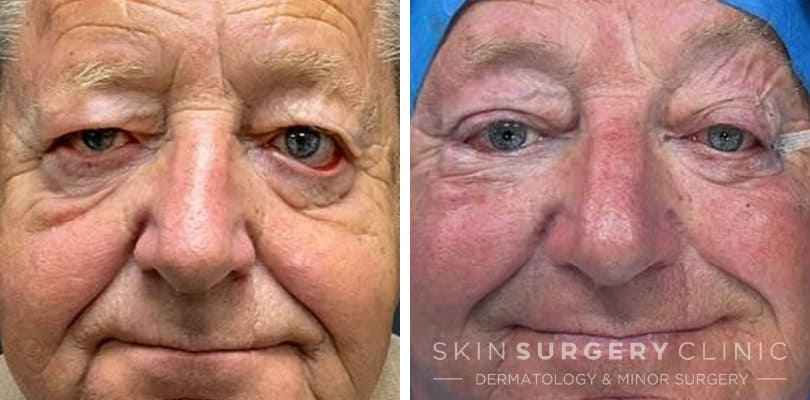
BEFORE
*AFTER
Lower Blepharoplasty and Upper Blepharoplasty by Prof Irfan Jeeva
BEFORE
*AFTER
Lower Blepharoplasty and Upper Blepharoplasty by Prof Irfan Jeeva

BEFORE
*AFTER
Lower Blepharoplasty and Upper Blepharoplasty by Prof Irfan Jeeva

BEFORE
*AFTER
Lower Blepharoplasty and Upper Blepharoplasty by Prof Irfan Jeeva
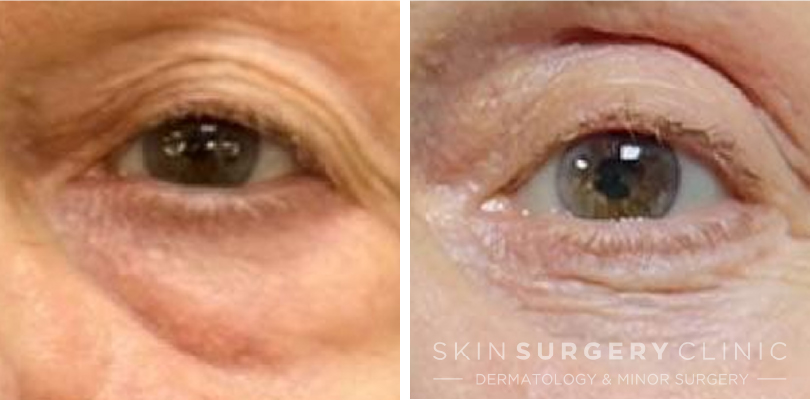
BEFORE
*AFTER
Reviews
Patient feedback is collected through our reviews partner, Feefo.