Treatment begins with a consultation with your specialist surgeon, who will assess your condition and answer your questions about surgery.
Eyelid & Oculoplastic Surgery
Specialist eyelid surgery for problems affecting eyelid position, comfort and appearance, carried out under local anaesthetic by Consultant Oculoplastic Surgeons in our hospital-grade clinics.
Specialist Eyelid & Oculoplastic Surgery
Eyelid and oculoplastic surgery treats problems affecting the delicate structures around the eyes, including the upper eyelids, lower eyelids, brow position and eyelid margins.
At Skin Surgery Clinic, selected eyelid procedures are carried out under local anaesthetic by Consultant Ophthalmic and Oculoplastic Surgeons whose practice focuses on surgery around the eyes.
These procedures may be suitable for people troubled by heavy or hooded upper eyelids, drooping eyelids, eyelids that turn inwards or outwards, persistent irritation, watery eyes, eyelid cysts, or changes around the eyes that make them look tired, strained or aged.
The aim is not simply to change how the eyes look. A specialist oculoplastic assessment considers how the eyelids function, how they protect the surface of the eye, and how changes in eyelid, brow and surrounding tissue position may be contributing to your symptoms or appearance.
What is oculoplastic surgery?
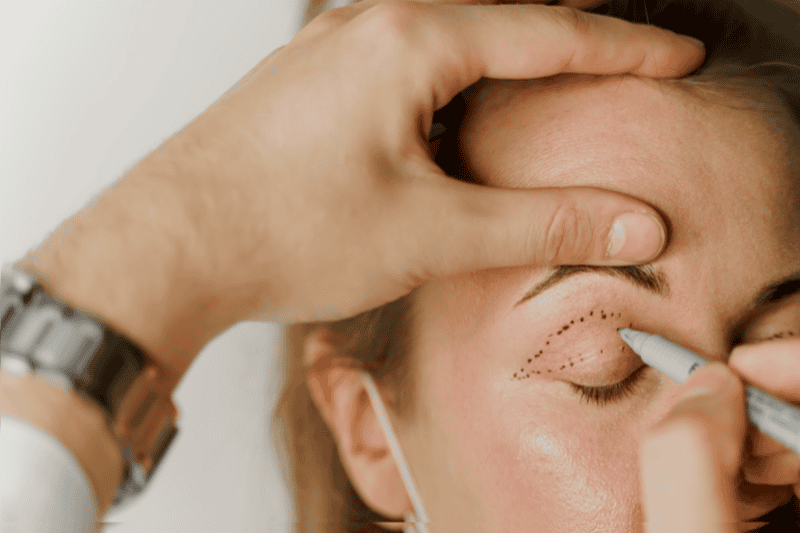
Oculoplastic surgery is a specialist area of eye surgery concerned with the eyelids, tear system, eye socket and surrounding facial structures.
Some oculoplastic conditions are mainly functional, such as eyelids turning inwards, lashes rubbing on the eye, or drooping eyelids affecting vision. Others are more appearance-related, such as hooded eyelids or lower eyelid bags. In many cases, there is an overlap: the same eyelid change may affect comfort, vision, confidence and facial expression.
We offer a range of eyelid and periocular procedures under local anaesthetic:
- Ptosis correction for drooping upper eyelids
- Entropion surgery for inward-turning eyelids
- Ectropion surgery for outward-turning eyelids
- Browpexy for brow descent affecting the upper eyelid area
- Chalazion removal for persistent eyelid cysts
- Upper and lower eyelid blepharoplasty surgery
Why specialist eyelid assessment matters
The eye area is small, but the anatomy is complex. A heavy upper eyelid is not always caused by loose skin alone. It may involve the position of the brow, the eyelid-opening muscle, excess skin, fat pads, previous surgery, or changes in the tissues around the eye.
Similarly, lower eyelid bags may involve fat, skin quality, eyelid laxity, cheek position or previous filler treatment. Treating one element without recognising the others can lead to results that look incomplete, overdone or functionally uncomfortable.
During consultation, your surgeon will assess the specific cause of your concern and explain which treatment options are suitable. This may include examining eyelid position, eyelid strength, skin excess, brow position, lower lid support, and the health of the eye surface.
This assessment-led approach is particularly important for procedures where the goal is both functional improvement and a natural-looking result.
Appearance, comfort and function are closely linked
People often feel uncertain about whether their eyelid concern is “medical” or “cosmetic”. In practice, the distinction is not always simple.
For example:
- Drooping eyelids may affect both appearance and vision.
- Lower eyelid laxity may make the eyes look tired but also cause watering or irritation.
- Inward-turning lashes may be visibly abnormal but also painful.
- Brow descent may change facial expression and contribute to heaviness around the eyes.
At Skin Surgery Clinic, the consultation is focused on understanding what is actually causing your concern, rather than assuming every patient needs the same procedure.
Some people need a functional eyelid operation. Some need aesthetic eyelid surgery. Some need no surgery at all. The purpose of the assessment is to advise you honestly and recommend treatment only where it is appropriate.
Why choose an Oculoplastic Surgeon for eyelid surgery?
An oculoplastic surgeon is trained in both eye surgery and plastic surgery around the eyes.
This dual expertise is important because eyelid surgery is not only about appearance: the eyelids also protect the surface of the eye, help distribute tears, and affect comfort, vision and facial expression.
A specialist oculoplastic assessment considers the eyelid, brow, tear film, eye surface and surrounding tissues together before recommending treatment.
A further advantage of using an oculoplastic specialist for eyelid surgery may be that they are able to carry out a larger range of procedures without the need for general anaesthetic.
Local anaesthetic eyelid surgery at Skin Surgery Clinic
Many eyelid procedures can be carried out under local anaesthetic. This means the area is numbed while you remain awake, avoiding the need for general anaesthetic in suitable cases.
Your surgeon will explain what the procedure involves, what recovery is likely to feel like, and what risks or limitations apply to your specific case.
As with all surgery, there may be swelling, bruising, temporary tightness, asymmetry, scarring or a need for further treatment. Because eyelid surgery involves structures that protect the eye, careful planning and follow-up are important.
Your consultation appointment
Our Consultant Oculoplastic Surgeons have vast experience in functional and aesthetic conditions affecting the eyelids and the surrounding eye area, as well as surgery to the eye itself.
At your consultation, your surgeon will assess your eyelids and surrounding eye area, discuss your symptoms and goals, and explain whether treatment is suitable.
Where surgery is appropriate, you will receive clear advice about:
- The likely cause of your symptoms or appearance concern
- Which procedure is being recommended
- Whether treatment can be done under local anaesthetic
- Expected recovery
- Risks and limitations
- The likely cost of treatment
Considering eyelid surgery?
Conditions and Treatments
Upper and lower eyelid lift surgery
Some patients come to clinic because their eyes look tired, hooded or aged. Others are mainly concerned about heaviness, visual obstruction, eyelid asymmetry, under-eye bags or lower eyelid looseness.
When carried out by an Oculoplastic Surgeon, upper and lower eyelid surgery may involve removing or repositioning tissue, improving eyelid contour, addressing fat pads, or supporting the eyelid or brow where appropriate.
The right approach depends on your anatomy. For this reason, consultation is an important part of treatment planning.
Upper Blepharoplasty with Consultant Plastic Surgeon: £2500
Specialist Oculoplastic Upper Eyelid Surgery: £3295
Lower Blepharoplasty: £4500
Drooping upper eyelids (Ptosis)
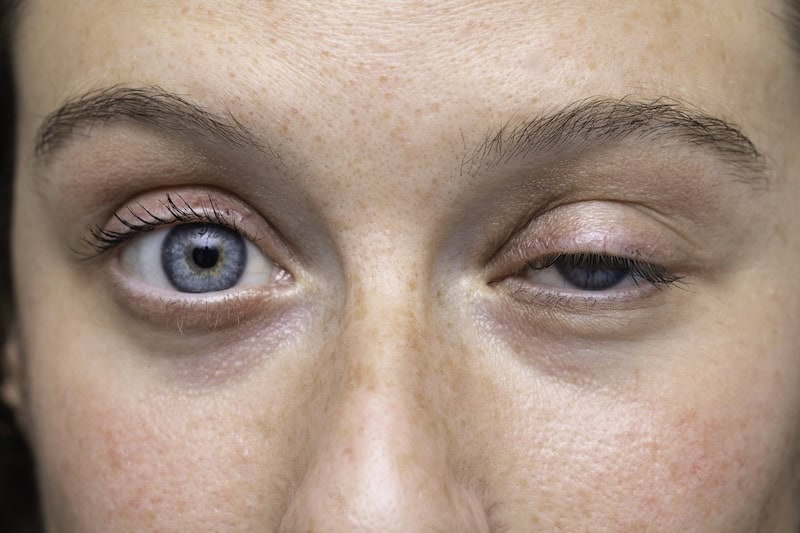
Ptosis is where the upper eyelid sits lower than normal. It can make the eye look smaller, tired or asymmetrical, and in some cases it may interfere with vision.
Ptosis is different from simple excess upper eyelid skin. It usually relates to the eyelid-opening mechanism, which may weaken with age, previous surgery, contact lens wear, injury or other causes.
Ptosis correction aims to lift the eyelid to a more appropriate position, improving the openness and balance of the eyes. For some patients, this may also improve the field of vision or reduce the effort needed to keep the eyes open.
Price on consultation
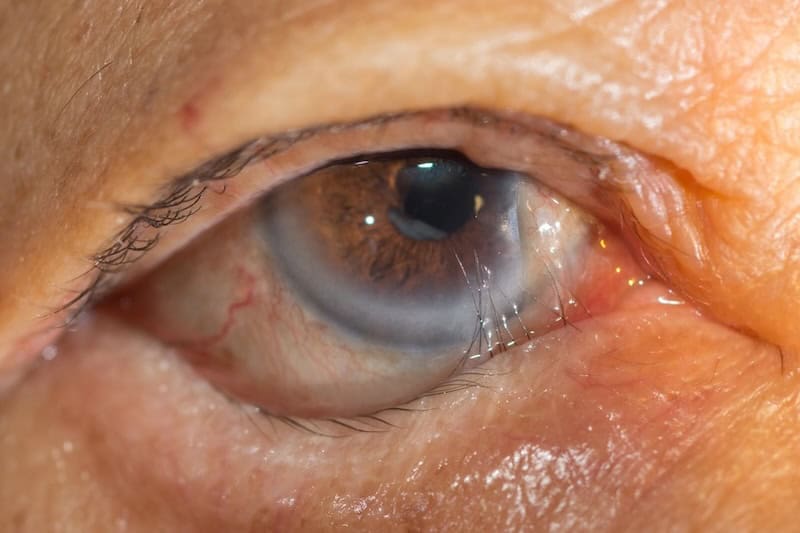
Inward-turning eyelids / entropion
Entropion is where the eyelid turns inwards towards the eye. This can cause the eyelashes or eyelid skin to rub against the surface of the eye, leading to soreness, watering, redness, irritation and a gritty feeling.
Entropion is more common with age as the eyelid tissues loosen, although it can have other causes. Surgery aims to restore the eyelid to a better position so that the lashes no longer rub on the eye.
Because the eyelid plays an important role in protecting the eye surface, entropion should be assessed carefully rather than treated as a purely cosmetic problem.
Price on consultation
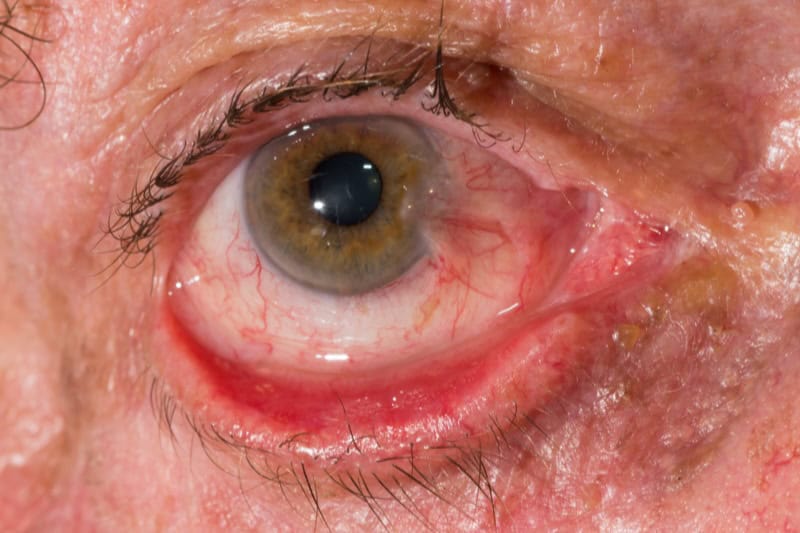
Outward-turning eyelids / ectropion
Ectropion is where the eyelid turns outwards and sits away from the eye. This can stop the eyelid from spreading tears properly across the eye surface, causing watering, dryness, redness, irritation or recurrent inflammation.
Surgery usually aims to tighten and reposition the eyelid so it sits more securely against the eye again. This can improve comfort, reduce watering and help protect the eye surface.
Price on consultation
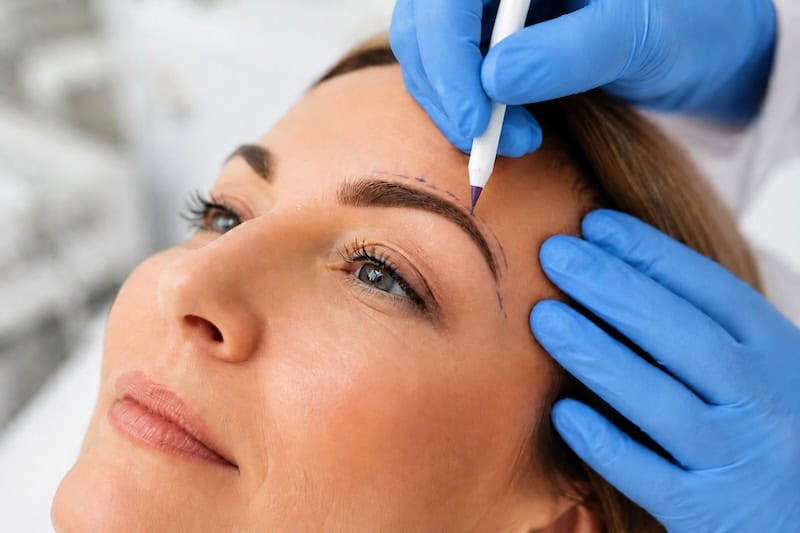
Brow descent and browpexy
A heavy upper eyelid is sometimes caused, or made worse, by the brow sitting lower than it used to. In these cases, removing upper eyelid skin alone may not fully address the heaviness.
Browpexy is a procedure used to support or subtly lift the brow, often through an upper eyelid incision. It is usually considered when mild brow descent is contributing to heaviness around the upper eyelids.
The aim is not to create a surprised or artificial look. In suitable patients, browpexy can help restore support to the outer brow and upper eyelid area while keeping the result natural.
Direct Brow Lift from £3997
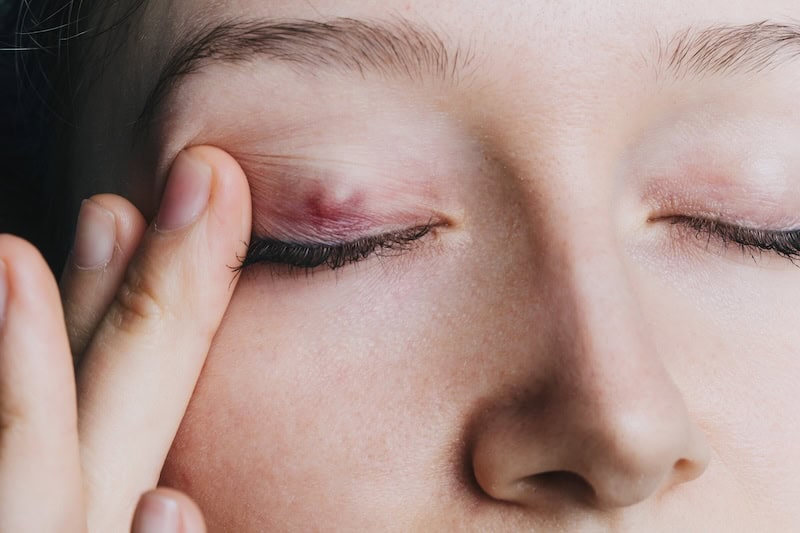
Chalazion removal
A chalazion is a persistent lump or cyst in the eyelid, usually caused by blockage of one of the oil glands in the eyelid. Many settle with time and warm compresses, but some remain visible, uncomfortable or recurrent.
If a chalazion does not settle, a minor procedure may be recommended to drain or remove it. This is usually carried out under local anaesthetic.
Price on consultation
Not sure which eyelid procedure you need?
Book a consultation and our specialists will assess the cause of your concern.
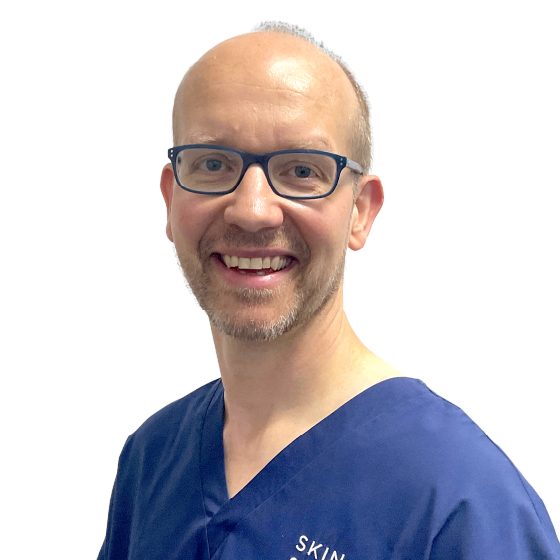
Meet your Oculoplastic Surgeon
Oculoplastic Eyelid Surgery at Skin Surgery Clinic is carried out by specialists whose practice is dedicated to eyelid and periocular surgery. This is particularly important for eyelid procedures, where appearance, eyelid function and eye comfort all need to be considered together.
Reviews
Patient feedback is collected through our reviews partner, Feefo.